 MANDA
MANDA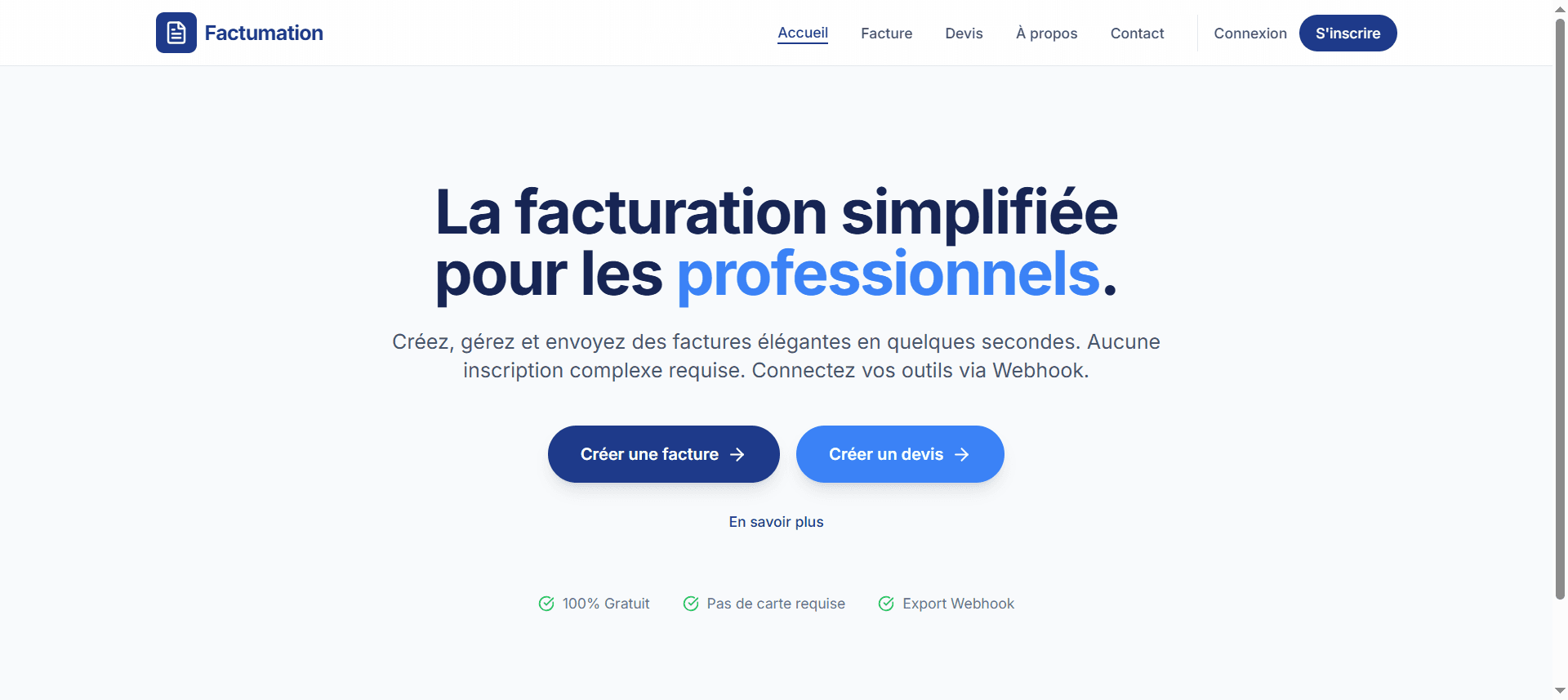
Vibe coding: definition, tools, examples and production limits
What is vibe coding?
Vibe coding means describing a software goal in natural language and asking an AI tool to propose, write or change code. You can start from an interface idea, a bug or a business workflow, inspect the output and iterate. The label covers different practices, though: accepting a generated prototype without inspection is not the same as directing a coding agent in an existing repository, reviewing changes and running tests. Google Cloud's overview explains why this approach makes app creation more accessible. For a business, the important follow-up is whether anyone can understand and maintain the application after the demo.
AI-assisted development versus an unchecked prototype
A prototype can prioritize immediate visual feedback. In a production-oriented project, someone must own the architecture, data model, access rules and acceptance criteria. Coding agents can inspect files, propose a plan, make edits and run commands, but those abilities do not make every generated decision suitable for the product. My approach is to use agents inside explicit technical and business constraints and then verify the result as a developer.
Tools and their roles
Codex and Claude Code can help implement features, explore an existing codebase and prepare tests. Next.js and React can provide the application interface; PostgreSQL or Supabase can hold application data. n8n can orchestrate integrations and automation. None of these tools replaces decisions about permissions, ownership of data or recovery when an external service fails. A landing-page prototype, a multi-user SaaS and a payment workflow need different levels of review.
A real example: Factumation
Factumation is invoicing software for freelancers and small businesses in Madagascar and Europe. Its scope includes quotes, PDF invoices, payment tracking, Ariary and Euro currencies and webhook integrations. The product was developed with Claude Code and connected to n8n automation. The value of AI-assisted implementation is not merely producing a screen quickly; it is helping deliver a coherent product whose calculations, payment states and exports can be checked and maintained.
Another example: TeamIA
TeamIA combines positioning, content architecture, a Next.js platform, CMS, data, automations and a business enquiry flow. I do not claim that the whole site was generated by AI. It demonstrates why connected product decisions matter: an agent can help implement components, but a developer has to decide how content, workflows and technical boundaries fit together.
What should be checked before production?
An interface that renders is not proof that access control, error cases or sensitive data are handled correctly. Rapid generation can also leave duplicate components, scattered business rules or unnecessary dependencies. Tests need to cover critical user journeys, invalid inputs and external integrations, not merely the happy path. I start with a scoped outcome, divide responsibilities, review the changes, verify data and permissions, run quality checks, test important flows and prepare deployment and recovery. Sensitive actions may still require human approval.
When is it a good fit?
This approach works well for an MVP, internal tool, dashboard, automation or first SaaS release when the outcome can be broken into testable increments. It is a poor fit when nobody can review the code or when data access and delivery criteria remain undefined. From Madagascar, I work remotely with local and international teams; the same standards for communication, handoff and ownership apply. If you need implementation rather than a definition, see my AI-assisted software development service and let's scope a first useful release.