 MANDA
Next.js & Supabase Developer in Madagascar
Does your application need authentication, structured data or reliable integrations? I build and improve Next.js and Supabase applications from Madagascar. We define access rules, user journeys to test and project constraints before estimating the work.
Last updated:

Explore the work
Explore the original requirements, technical decisions and delivered scope in each case.
PostgreSQL
Relationships, constraints and versioned migrations.
Access control
Roles, organizations and tested access rules.
Authentication
Sign-in journeys suited to your users.
API integrations
Input validation and failure handling.
Storage
Defined file access and retention.
Handoff
Code, configuration and operating notes.
Technical delivery for your product
I can work on an existing application or build its foundation: a Next.js interface, PostgreSQL data model, Supabase authentication and API integrations. The approach depends on your data, team and operating constraints.
For a complete product scope rather than a technical engagement, see my SaaS MVP development service.
Authentication and access control that must be tested
Authentication identifies a user; it does not by itself determine what they can read or change. I plan role and organization access rules, server-side checks, and tests for both allowed and denied operations.
Tables exposed through Supabase need appropriate grants and RLS policies. Administrative secrets stay on the server. TypeScript helps check types; input validation and tests are still necessary.
Data, APIs and existing applications
The PostgreSQL model defines relationships, constraints and ownership rules. Changes use versioned migrations. Growing lists are paginated and queries are reviewed on important user journeys.
A migration starts with an inventory of data, accounts and integrations. Recovery, testing, cutover and rollback are scoped before any production changes.
Capacity, costs and backups
Capacity depends on queries, data volume, integrations and hosting. We define expected usage and measure critical journeys; no user count is guaranteed by a technology choice.
Provider quotas and costs are checked when preparing the estimate. The backup plan covers the database and stored files separately, with a restore procedure to test. Available options depend on the plan: see the Supabase backup documentation.
Delivered work you can review
The TeamIA prospecting case study shows a Next.js dashboard connected to n8n and Lemlist, with company deduplication and persisted review decisions. Screenshots use fictional data.
Factumation illustrates an invoicing product and its business workflows. These examples help scope similar requirements; they do not guarantee the same timeline or performance for another project.
Build a new application or improve an existing one?
Scoping depends on the starting point. Both formats need explicit acceptance criteria.
| Criterion | Existing application | New project |
|---|---|---|
| First step | Review the code, data and incidents. | Define users and the priority workflow. |
| Deliverables | Targeted fixes, migrations and regression checks. | First business workflow, data model and tests. |
| Budget and schedule | Estimated after reviewing dependencies and technical debt. | Estimated after agreeing on the initial scope. |
First step
Deliverables
Budget and schedule
The estimate defines deliverables, exclusions and required access before work starts.
Related solutions
More concrete pages to scope a precise business need before moving to an estimate or prototype.
Mobile Money API Madagascar
Mobile Money API Madagascar: Orange Money, MVola, Airtel and dashboard
Build a Madagascar Mobile Money API for MVola, Orange Money and Airtel Money with secure callbacks, reconciliation, test mode and an operations dashboard.
n8n automation for SMBs
n8n automation for SMBs: CRM, email, reporting and follow-ups
n8n automation for SMBs: CRM, email, reporting, invoices and follow-ups. Reliable documented workflows with monitoring and error recovery.
Frequently asked questions
How much does a Next.js + Supabase SaaS cost?
A Next.js + Supabase SaaS MVP starts at $4,000, including authentication, dashboard, database and the first core business feature. Additional features, Stripe, administration, roles or AI are included in a scoped estimate. Evolving engagements can use my $400/day international rate.
Can you work on an existing application?
Yes. An initial review covers the code, data, access rules and deployment. I then propose priority fixes and a defined scope for the work.
Does Supabase alone make a SaaS secure?
No. Grants, RLS policies and server-side checks must match the business rules, with access tested across users and organizations.
How long does delivery take?
The schedule depends on scope, existing code, access and integrations. Milestones and acceptance criteria are agreed after scoping.
Are hosting costs included?
The estimate separates implementation, hosting and external services. Plans, quotas, backups and variable costs are checked against your usage.
Do you offer maintenance after delivery?
Yes. 30 days of technical support are included after each delivery. I also offer monthly maintenance contracts for updates, bug fixes and new features.
Projects delivered
Factumation — Billing SaaS
Complete invoicing: auth, PDF generation, client management, dashboard. Next.js 16 + Supabase.

ScalApp — Real-Time Dashboard
Investment dashboard with real-time data via Supabase Realtime.
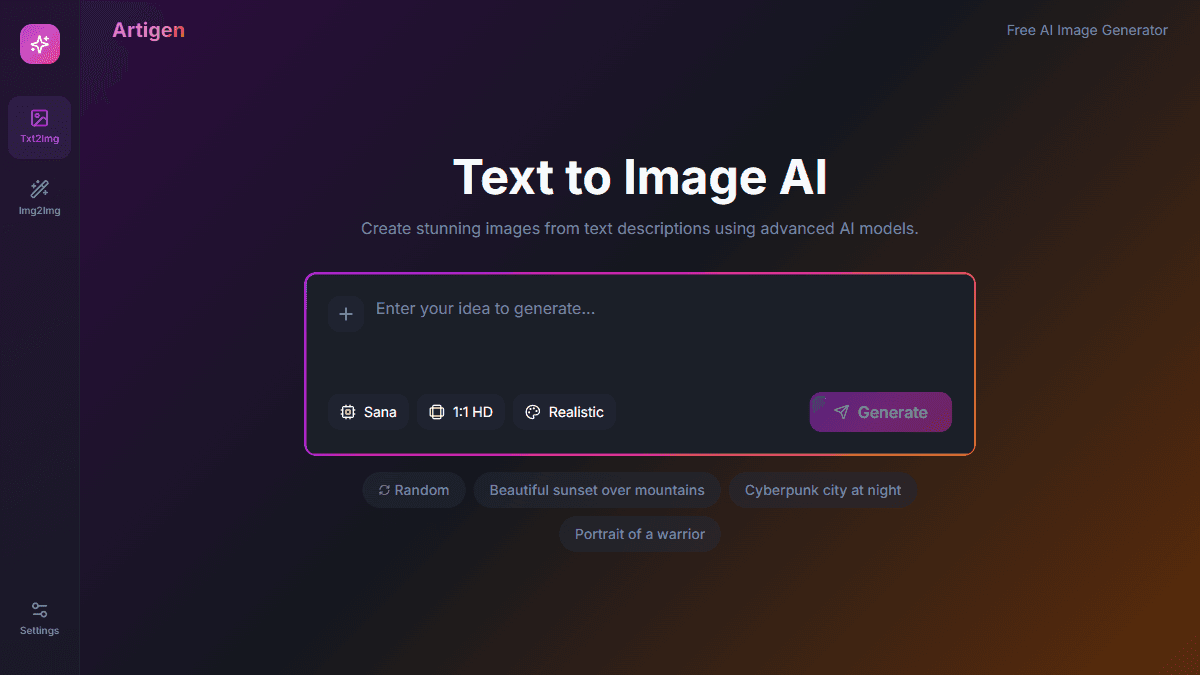
Artigen — AI App + Supabase
AI image generator with Supabase storage and user auth.

ImmoPrive — Marketplace
Matching platform with advanced search and user profiles.
Scope your Next.js and Supabase project
Describe the workflow you need or the problem in your application. Include integrations and timeline constraints so we can prepare a useful first discussion.
Discuss my application